ADHD Bedtime: Why Making Them the Hero Actually Works
If you have a kid with ADHD, you know the "Bedtime Battle." You’re drained, they’re wired, and the picture book you’re reading might as well be background noise. They just aren't "locking in."
Regular books often fail neurodivergent kids because they lack an immediate hook. Personalized stories change that dynamic. It’s not just about swapping a name; it’s about aligning the story with how an ADHD brain actually handles interest.
The problem isn't focus—it's interest
An ADHD brain doesn't actually lack the ability to focus. It just can't prioritize focus on things it finds "boring." This is why a child who can't sit through a five-minute math lesson can spend three hours building a complex LEGO set without looking up.
When you make your child the hero, you’re tapping into their interest-based nervous system.
1. Recognition is a shortcut to engagement
When a kid hears their name matched with the things they love—like "Leo the Space Captain who loves blue dinosaurs"—their brain locks in immediately. At that point, it’s not just a book; it’s a mission they are leading. That spark is often the only thing that keeps them focused for the full fifteen minutes.
2. Teaching skills without the lecture
These stories are a great way to model "executive function" skills (like planning or organization) without making the child feel like they're being lectured.
- The "Story Trick": In a MintMyStory book, the hero might solve a problem by "breaking a big task into three tiny steps."
- Internalizing the win: Because the child is the hero, they take that victory personally. It gives them a mental blueprint they can use in the real world tomorrow.
Three ways to improve your bedtime routine
If you're using our story generator for a child with ADHD, try these specific tweaks:
- Sensory details matter. Avoid vague descriptions like "The forest was pretty." Try "The moss felt like a fuzzy green carpet under your boots." Specific textures help keep a wandering mind grounded in the scene.
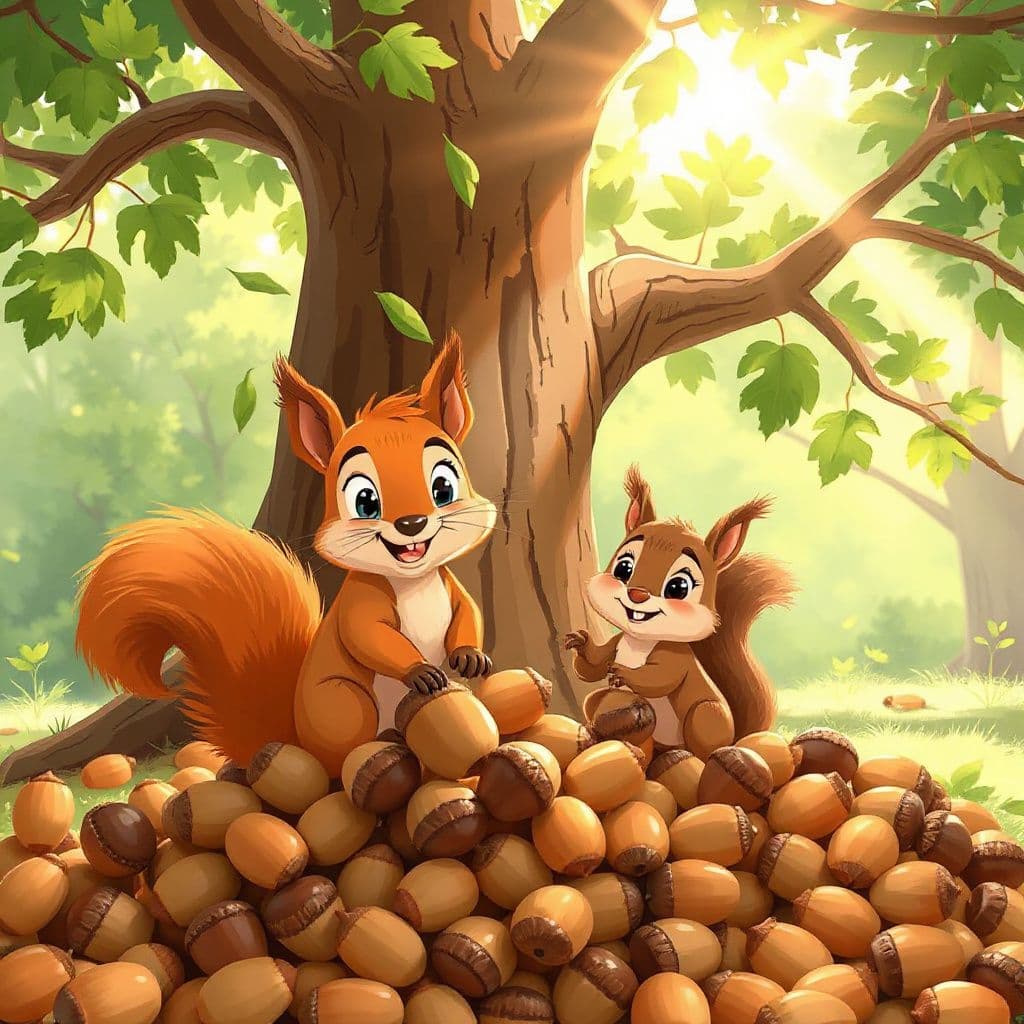
- Externalize the traits. Use other characters to represent ADHD quirks—like a hyperactive squirrel or a forgetful dragon. This helps the kid see their "buzzing" brain as something manageable (or even helpful), rather than a character flaw.
- The resolution. Always end on a calm note. Use our "Calm" or "Dreamy" settings to signal to their nervous system that the adventure is over and it's safe to drift off.
Every child deserves a story that fits their brain. By moving away from generic narratives, you're doing more than just getting them to sleep—you're helping them see themselves as the hero of their own life.
Ready to try it? Create a custom story here.
Medical Disclaimer: The content provided on MintMyStory is for educational and entertainment purposes only. Our AI-assisted chronicles are designed to support literacy and focus, but they are not a substitute for professional medical advice, diagnosis, or treatment for ADHD or other neurodivergent conditions. Always consult with a qualified specialist regarding your child's specific needs.