Visual Anchors: Why Character Consistency Matters More Than You Think
In early childhood education, we focus heavily on phonics and sight words. But there’s a physical aspect of reading that usually gets ignored: character consistency.
When a kid is learning to read, every image is a puzzle. For children with ADHD or sensory processing issues, this is especially draining. Every time a character looks slightly different—different hair, different clothes—their brain has to "re-scan" the page. They end up spending their energy identifying who the character is instead of focusing on what they’re actually doing.
At MintMyStory, we call these constant details Visual Anchors.
1. The cognitive cost of "noise"
Our working memory is limited. A child reading a book is already juggling several tasks at once: sounding out letters, making sense of sentences, and trying to follow a plot.
Most AI stories stumble here because the hero’s appearance shifts from page to page. To an adult, it’s just a stylistic variation. To a kid struggling with focus, it’s distracting noise. It breaks their immersion and forces them to re-identify the hero, which is often why they get frustrated and give up halfway through.
2. What an anchor actually does
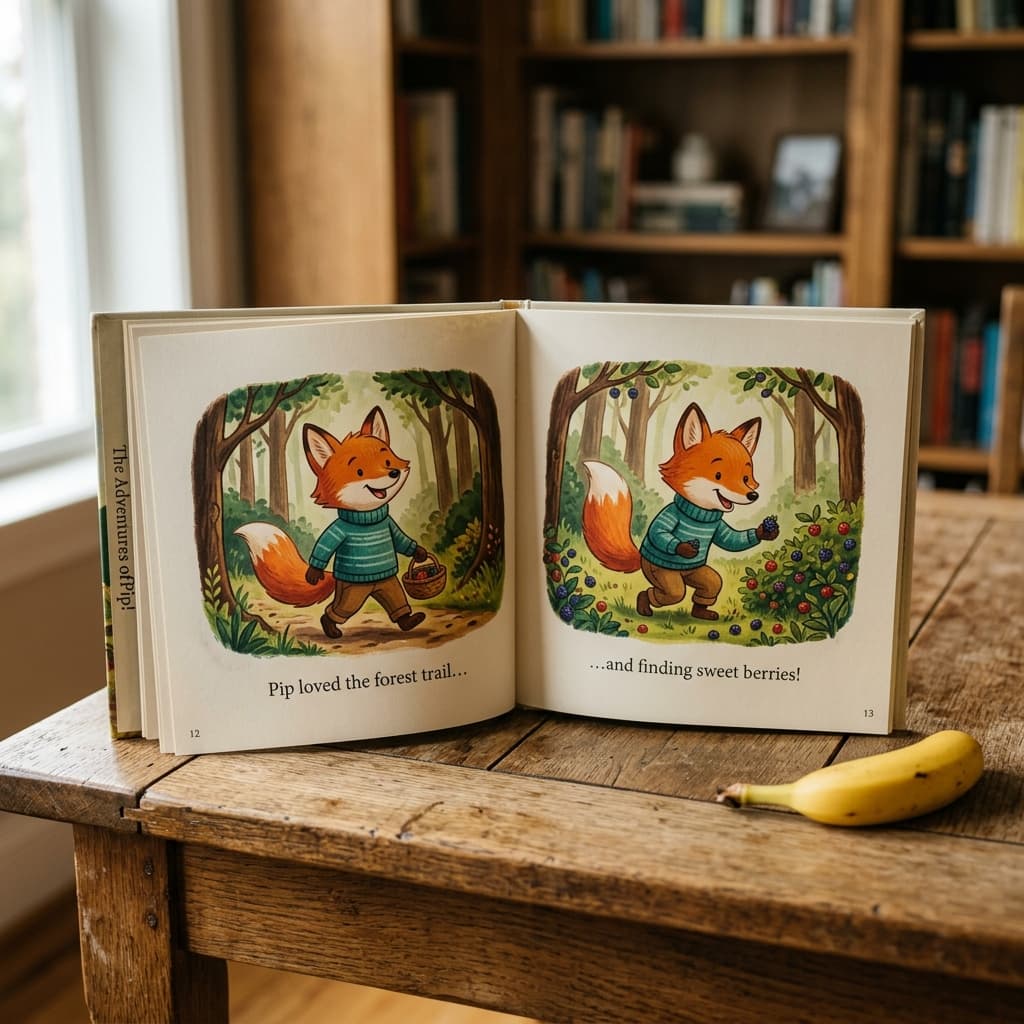
A visual anchor is a detail that stays exactly the same. The same messy hair, the same red sweater, the same posture. When these details are identical across twenty pages, they become a stable foundation for the child's mental model of the story.
Why this works:
- It feels safe. The story world isn't shifting unexpectedly.
- It builds fluency. By skipping the "who is this?" step, the brain can use that power to decode the text.
- It builds trust. It’s hard to form an emotional connection with a character who looks like a stranger every few minutes.
3. Boosting "Reading Endurance"
This isn't just theory. We've seen it in our own internal tests. Students who previously struggled to finish a five-page book were able to engage with twelve-page narratives. The reason was simple: the "cost" of turning the page was lower. They didn't have to restart their mental identification process every time they moved forward.
4. Accessibility in the classroom
For teachers, this is about reducing friction. If you’re evaluating AI tools for your classroom, prioritize consistency over complexity. A simple, consistent character is far more valuable for literacy development than a complex one that changes in every illustration.
The bottom line
Literacy is about more than decoding words; it's about removing the barriers between the child and the imagination. When a child sees themselves—consistent and recognizable—on every page, they stop "working" at the reading and start living the story.
[!TIP] The Magic Key: Spatial Anchoring If your child struggles with focus, try reading in the same physical spot every evening. Combining Visual Anchors in the book with Environmental Anchors in the room creates a powerful signal that it’s time to settle in.
Ready to try this tonight? See our guide on the best bedtime stories for ADHD.
MintMyStory is committed to research-backed storytelling. Learn more about our Character Anchoring Technology.
Medical Disclaimer: The content provided on MintMyStory is for educational and entertainment purposes only. Our AI-assisted chronicles are designed to support literacy and focus, but they are not a substitute for professional medical advice, diagnosis, or treatment for ADHD or other neurodivergent conditions. Always consult with a qualified specialist regarding your child's specific needs.